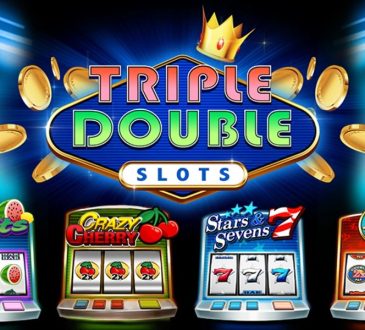


Grid shapes break away from standard rectangular formats, creating distinctive visual arrangements. Traditional slots stick to uniform rows and columns. Alternative configurations use hexagons, diamonds, irregular patterns, and asymmetric designs. These non-standard shapes change how symbols connect and how paylines form across positions. A new twist on the classic 5×3, 5×4 grids dominates most SQUEENVIP slot online games. Different shapes enable unique matching mechanics since symbol adjacency works differently when grids don’t follow straight horizontal and vertical patterns.
Hexagonal cell grids
Honeycomb patterns replace square positions with six-sided hexagons, creating more complex adjacency relationships. Each hexagon touches six neighbours instead of the four neighbours that square cells have. This expanded connectivity opens up matching possibilities since symbols can form groups through more connection points. The visual distinctiveness of hexagonal grids immediately signals something different from standard slots. Players recognise they’re not dealing with typical rectangular layouts before even spinning once. Hexagons also pack more efficiently than squares from a geometric perspective, potentially fitting more symbols into equivalent screen space compared to square grids of similar dimensions.
Diamond configuration patterns
Diamond-shaped grids rotate standard rectangles forty-five degrees, creating diagonal-dominant layouts. Reels might show one symbol at the top and bottom with three symbols across the middle forming diamond outlines. This creates natural emphasis on diagonal connections since the grid shape itself flows diagonally rather than horizontally. Paylines following diamond contours feel organic rather than forced since they trace the actual grid structure. Variable diamond sizes create nested layouts where smaller diamonds sit inside larger ones. A 1-3-5-3-1 symbol arrangement forms a diamond profile with the centre column containing the most positions.
Cascading variable heights
Some game grids use different column heights across the reels. This design creates a staggered shape instead of a flat, straight top. The first reel displays two symbols. The second reel shows four symbols, while the third reel presents five symbols clearly. The fourth reel returns to four symbols. The fifth reel shows two symbols again, which form a mountain peak or wave-style outline that players can notice immediately. Dynamic height systems that change mid-gameplay take this further. Columns start at standard heights, then grow or shrink based on outcomes or triggers. Winning combinations might add extra rows to involved reels.
Circular radial arrangements
Circular grids arrange symbols around centre points rather than in straight lines. Think wheels or spiral patterns where positions curve following circular paths. Paylines trace arcs or spiral routes connecting symbols arranged along curved trajectories. This radial organisation feels completely different from linear reel structures since there’s no clear left-to-right or top-to-bottom orientation. Everything relates to the centre point or follows the circular flow. Concentric circles create layered arrangements where inner rings sit inside outer rings. Symbols need to match along specific rings or across rings, moving inward or outward.
Irregular asymmetric designs
Totally irregular shapes that don’t follow recognisable geometric patterns create maximally unique layouts. The grid may look like a random cloud of connected positions with no apparent organisational principle. Or it mimics organic shapes like trees or animals, where symbol positions form recognisable silhouettes. These asymmetric designs sacrifice pattern predictability for pure distinctiveness, ensuring the grid looks unlike any other game.
Grid shapes creating unique layouts include hexagonal honeycombs, diamond rotations, cascading height variations, circular radial arrangements, and irregular asymmetric designs, moving beyond standard rectangular formats through alternative geometric organisations and creative spatial arrangements.